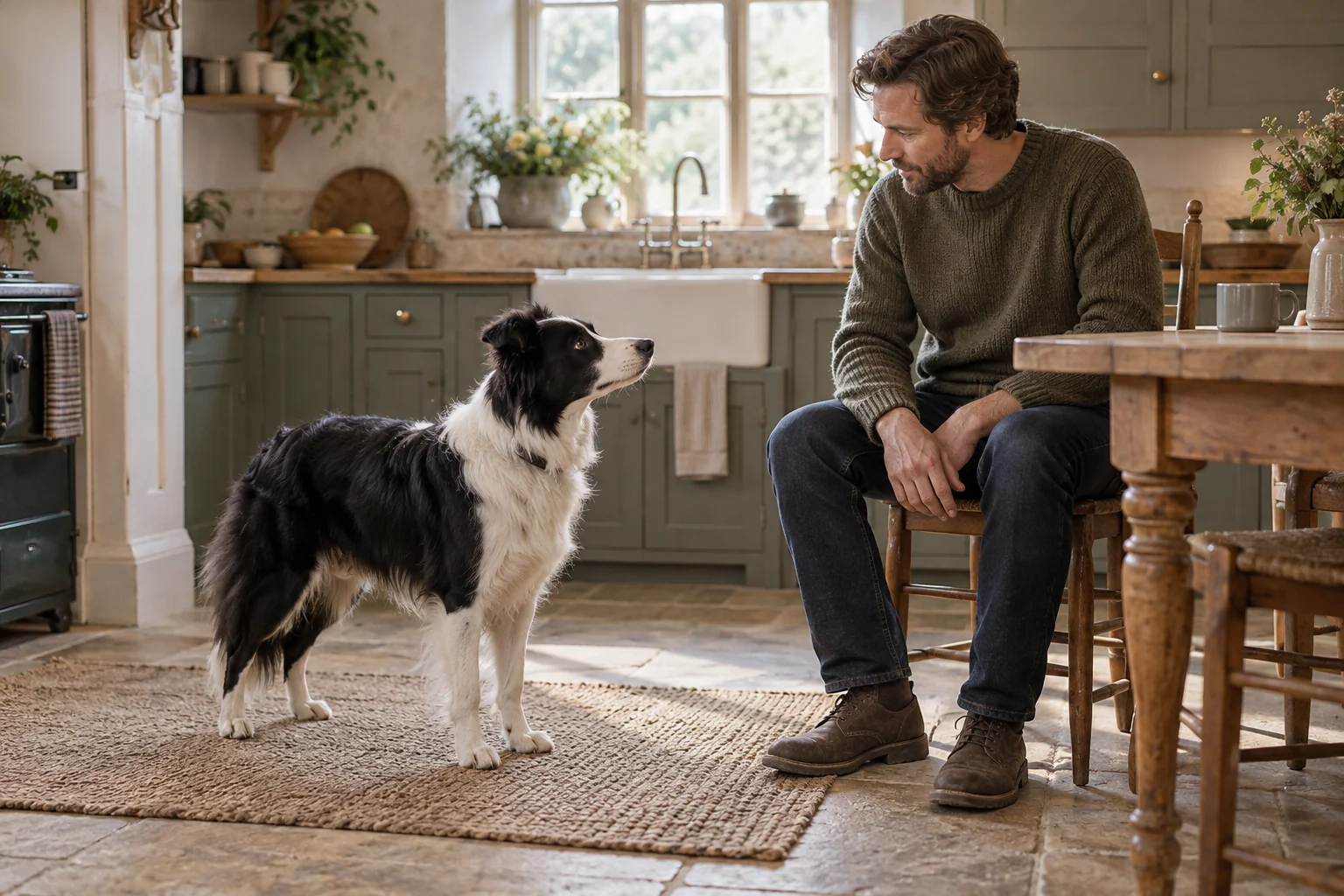
Dog training for beginners. Start a good habit.
Start dog training with three simple exercises, a flexible first-week plan, a preparation checklist and practical help for common beginner problems.
Read the guideThe Dog Train Club library
Clear setups. Practical exercises. Room to learn at your dog’s pace.
11 guides · Free to read · Reward-based practice
Find your next guideSearch a skill or an everyday problem.
Use one word or a few details. We’ll look across titles and descriptions.
New to training? Start here.
Three starter exercises, a flexible weekly plan and a practice notebook you can use as you go. A complete field guide for your first sessions together.
Open the beginner field guide11 guides
Start dog training with three simple exercises, a flexible first-week plan, a preparation checklist and practical help for common beginner problems.
Read the guide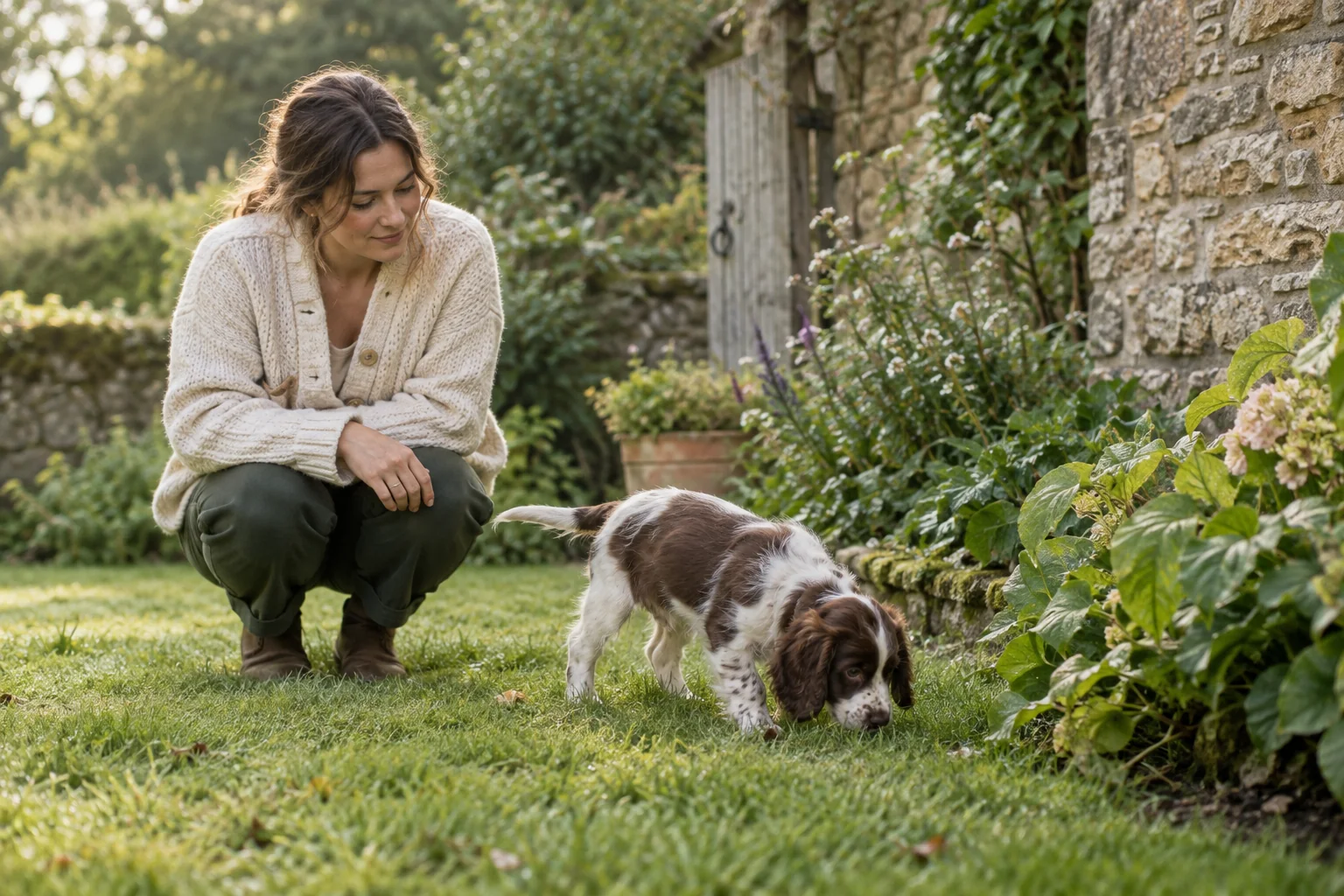
Start puppy training with a gentle first-week plan for potty breaks, rest, name recognition and safe early experiences. Practical steps for new puppy owners.
Read the guideBuild a flexible puppy potty training schedule around waking, meals and play. Includes a sample routine, a simple log and practical responses to accidents.
Read the guide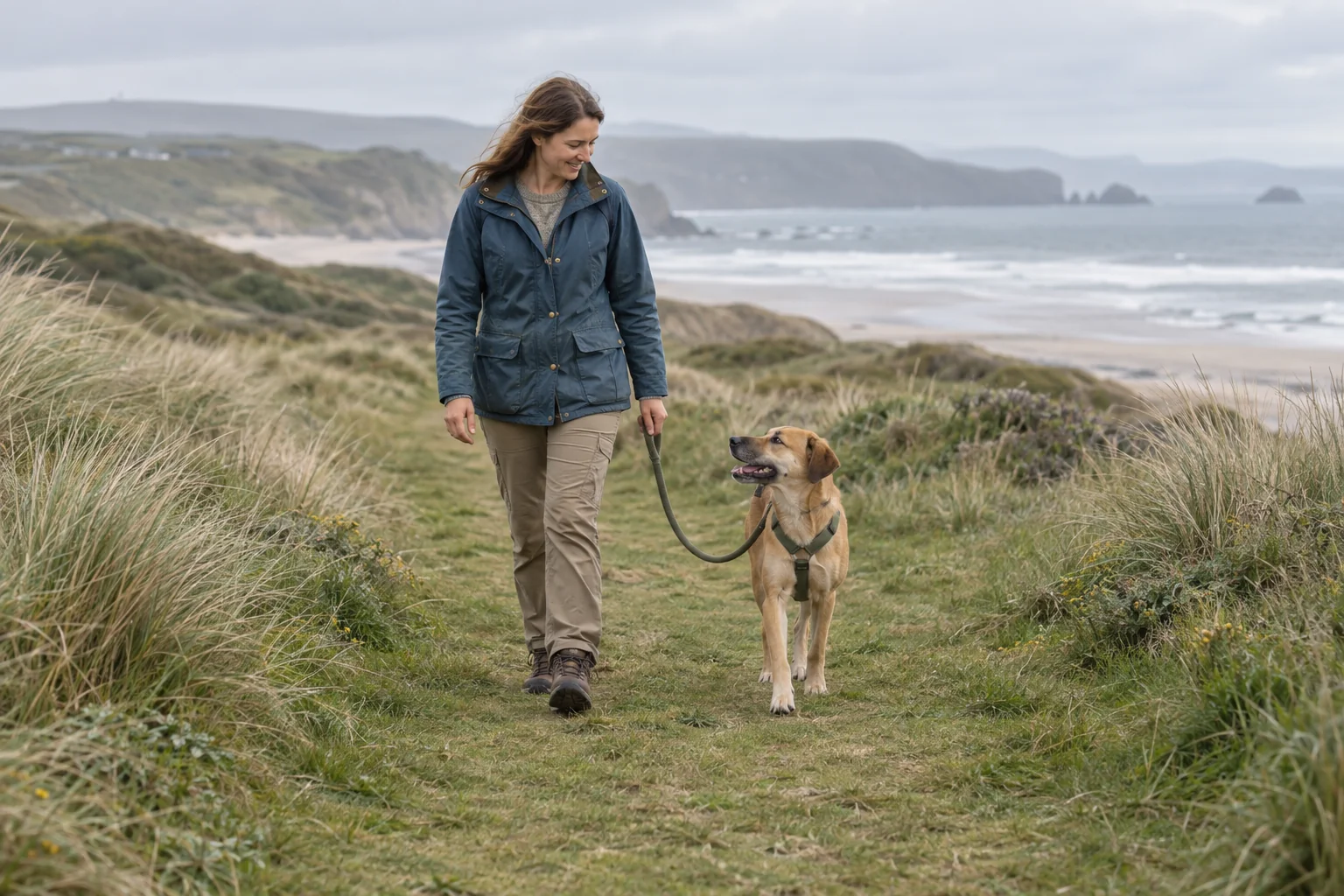
Learn loose-leash walking with an easy setup, well-timed rewards and a plan for pulling and distractions. Start with a few comfortable steps.
Read the guide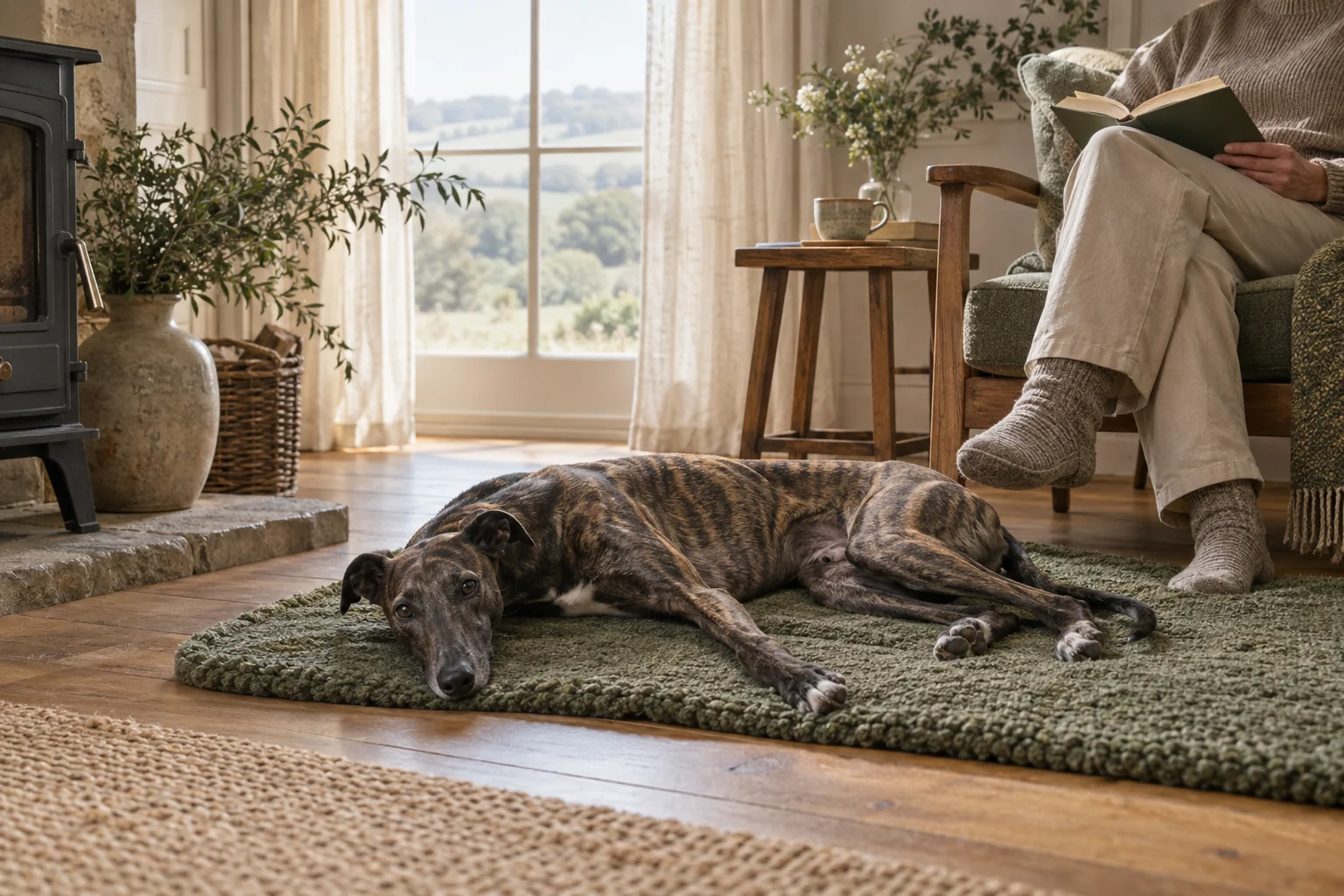
Teach your dog to settle on a mat with quiet rewards, small steps and gradual duration. Learn what to do when your dog gets up or cannot relax.
Read the guide
Start recall training indoors, reward coming all the way to you and add distance gradually. Includes what to do when your dog ignores the recall cue.
Read the guideLearn how to use a clicker or marker word, time the signal and deliver the reward. Clear beginner exercises without confusing a reward with a lure.
Read the guidePlan short dog training sessions around one clear skill. Learn when to stop, how often to practice and what to record for the next session.
Read the guideHelp a dog who pulls toward other dogs with more space, an easier route and a plan for passing. Includes a practice setup and signs to seek individual help.
Read the guideReset recall when your dog listens at home but ignores you outside. Compare the setup, reduce distractions and use a gradual practice plan with safe management.
Read the guideWork through puppy accidents after an outdoor break: what happened outside, the return indoors, a useful log and when to contact your veterinarian.
Read the guideA different starting point
Try fewer words, choose another category or return to the full library.
Build your own reading path
Start with the question closest to daily life, then use the setup and troubleshooting sections to choose a manageable exercise.
If you are learning a skill for the first time, begin with its foundation guide. Walking, recall, mat training and reward markers each have their own starting conditions. The beginner field guide brings several simple exercises together with preparation and a flexible first-week plan.
If the foundation is familiar but a particular situation is difficult, choose the guide that names that situation. Pulling around other dogs is different from learning one comfortable step indoors. Missing a recall outside calls for a comparison of settings. A puppy peeing after an outing calls for a review of that whole sequence.
The more specific pages link back to the relevant foundation, so you can review a prerequisite without guessing which lesson comes first. You do not need to read every guide in order.
These routes organise the reading; they are not mandatory courses or fixed timelines. Choose one appropriate exercise and give it a place in your day before adding more topics.
Every useful exercise needs more than the instruction in its title. Check the space, equipment, reward arrangement and starting distance. Read what to do when the response does not happen or the situation becomes harder. Knowing the easier version before you begin makes it simpler to adapt calmly.
Use the contents menu to return to a particular chapter. The quick answer gives an overview, while worked examples and troubleshooting explain the decisions around it. Reading times are estimates based on article length; they are not suggested session durations.
If a guide describes a context you cannot safely arrange, do not force the exercise into the available space. A veterinarian or qualified professional may need to help choose the starting plan.
Our examples make a planning choice concrete. A fictional quiet hallway or a sample puppy-care record is not evidence that your dog will respond in the same way. Use the example to identify what to observe, then let the real situation guide the next action.
Write down what you actually saw. “Turned towards me in the kitchen” is an observation. “Will listen anywhere now” is a much larger conclusion. Preserving that distinction makes records more useful and keeps expectations manageable.
The sources linked within the guides support relevant training or welfare principles. They do not endorse this website or app. DogPath links explain where our app may help organise ongoing practice; all of the guides remain available to read without downloading it.
The world is better with a dog beside you
One small lesson. A little more life together.