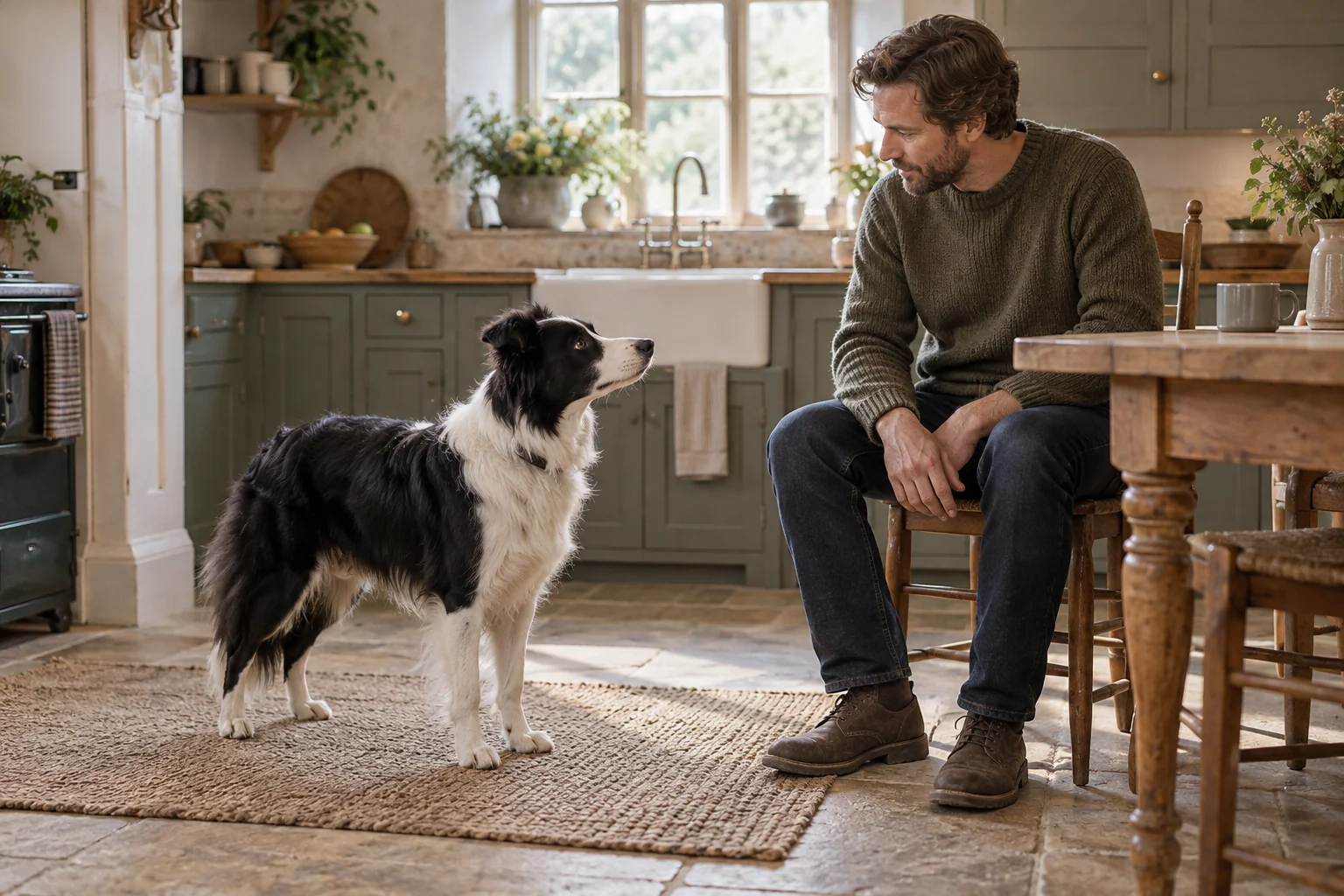
The small wins your training log might miss.
Why a quieter setup, an easier repetition and choosing a timely break deserve a place beside completed lessons.
Read the storyNotes from everyday dog life
Practical reflections for the human end of the lead.
Why a quieter setup, an easier repetition and choosing a timely break deserve a place beside completed lessons.
Read the story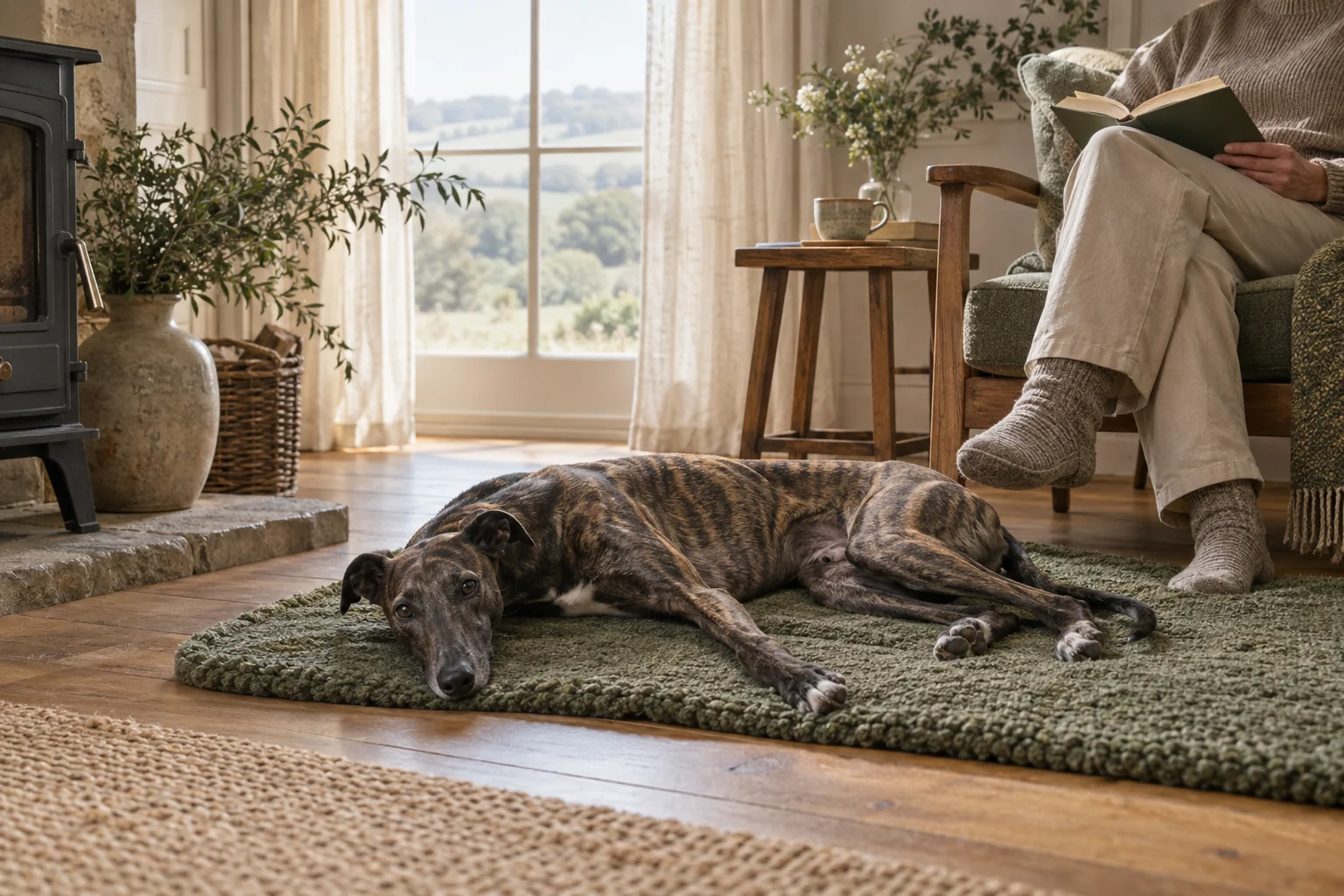
A simple preparation routine for the human end of the training session: space, rewards, equipment and an easy first step.
Read the storyNotes for the human end of the lead
Read these essays when you want to understand the decisions around a lesson: preparation, observation and choosing a useful next step.
The training guides explain particular skills. The journal looks at the habits around them: how you prepare a space, what you write down and which small decisions make a session easier to repeat. Both kinds of reading can be useful, but they serve different moments.
If you finished a walk feeling that nothing went well, begin with the essay about small wins. It helps separate observations from broad judgments and includes worked examples of useful records. If practice feels disorganised before it even starts, begin with preparing the training space.
You do not need to read both before your next session. Choose the question that is currently blocking a practical action, then take one idea into your own appropriate routine.
An essay is useful when it helps you choose what to do next. After reading, complete this sentence: “At the next suitable opportunity, I will change…” Make the answer something you can arrange, such as preparing rewards before inviting the dog or writing the actual setting in a note.
Avoid converting every reflection into another performance target. The purpose of observing small details is to improve decisions, not to make ordinary life feel like continuous assessment.
Our examples are fictional teaching aids. They show how a person might reason about an everyday setup; they do not report measured customer outcomes or establish a timetable for your dog. Use the relevant guide and appropriate professional advice when an individual situation needs more than reflection.
A short note can preserve the part of an experience you would otherwise forget. Name the place, the response and the next choice. If another caregiver needs the information, include enough context for them to understand the same exercise.
For example, “mat in the quiet living room; comfortable while I stayed seated; repeat before adding movement” is a usable next step. “Be more consistent” still needs an action underneath it.
You can keep that reflection in a notebook or alongside your own app routine. The format matters less than whether the next person, including tomorrow’s version of you, can put the note into practice.
The world is better with a dog beside you
One small lesson. A little more life together.