A recall cue asks your dog to leave one thing and come to you. Build its meaning where that choice is easy before expecting it to compete with wildlife, playmates or a busy park.
Put it into practice
Make one short return rewarding
Begin a few steps apart in a quiet, enclosed place, with a clear route between you and a reward ready. Practise with one dog at a time.
- Choose an available moment. When your dog can notice you, say your recall cue once and invite the approach.
- Reward the arrival. Deliver the reward close to you so your dog can reach it comfortably. A glance from across the room is not yet a complete recall.
- Pause or release. When safe, let your dog return to an ordinary activity. Avoid making every practice return end the enjoyable part of the day.
What happens next?
- They look but do not come
- Shorten the starting distance next time. Do not keep calling from the same position while the dog returns to another activity.
- They stop just out of reach
- Keep your hands quiet and review the final approach separately. Do not turn a near-return into a sudden collar grab.
- The return becomes familiar
- Add a little distance in the same enclosed place. Keep outdoor freedom managed; successful room-to-room practice is not an off-leash safety test.
Begin where the answer is likely to be yes
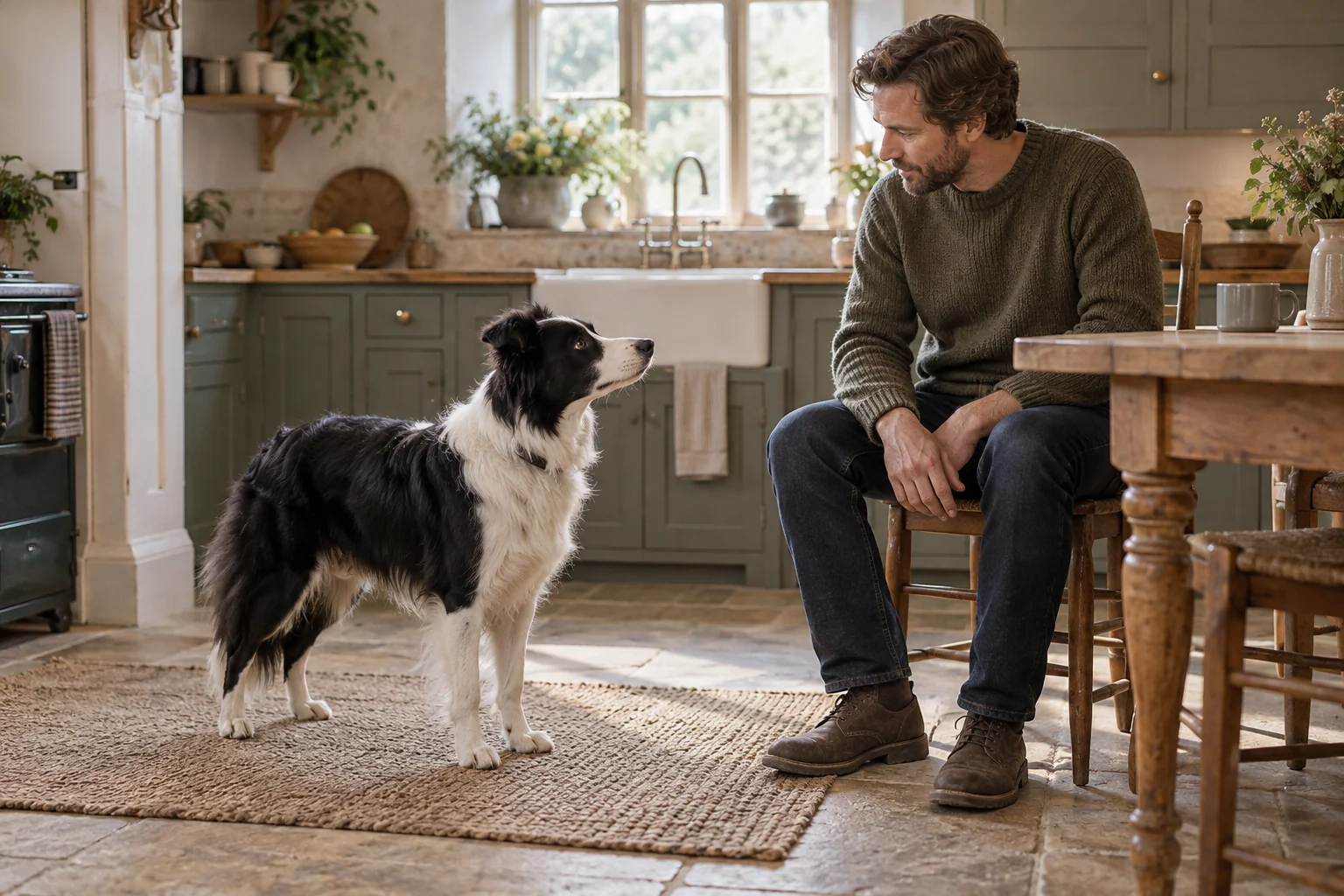
Choose a quiet room or secure space and start just a short distance apart. Have a reward ready, with no other dog waiting to compete for it. Wait for a moment when your dog is comfortable and not deeply occupied.
Say your chosen cue once, warmly, then encourage movement towards you. When your dog reaches you, reward close enough that arriving all the way becomes part of the pattern. A few easy repetitions are enough to begin. Avoid calling from another floor of the house as your first test.
Let returning predict something worthwhile
Use a reward your dog actually wants in that setting. Sometimes that is a suitable food reward; sometimes it is a brief game. Deliver it promptly. If you choose play, make sure the space and activity are appropriate for your dog.
Do not scold a dog who has finally returned after a delay. You want approaching you to feel safe. When possible, follow a successful recall with a release back to a safe activity, so responding does not always end everything enjoyable.
Cue once → dog comes a few steps → reward near you → pause or release. Repeat in the same easy space before changing the setup.
Keep outdoor practice physically safe
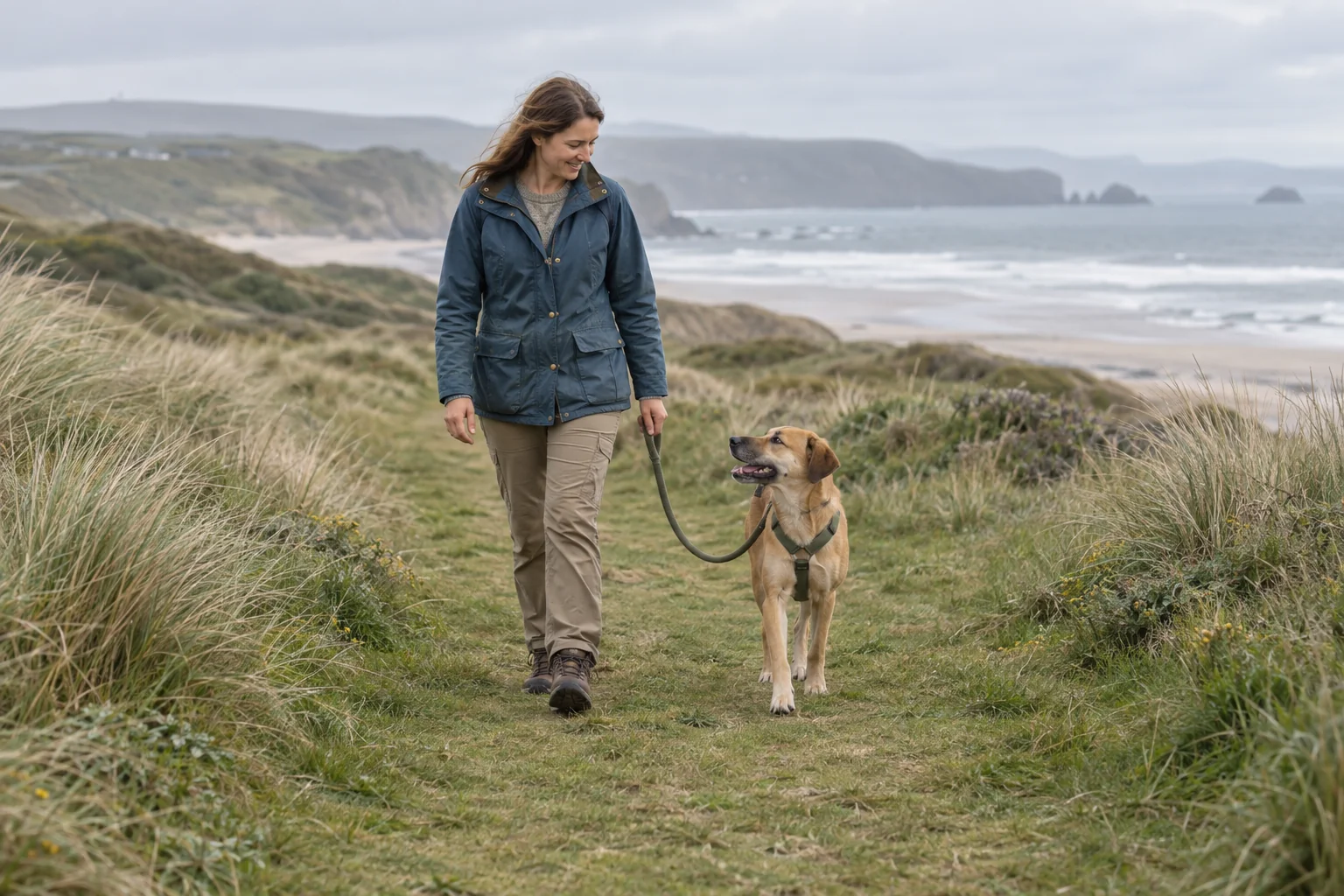
Use an enclosed location or suitable long-line setup while your dog is learning. Attach a long line to a well-fitting harness and choose open space away from roads, cyclists and tangling hazards. Handle it so neither people nor dogs become wrapped in the line; avoid letting a dog accelerate into its end.
The RSPCA’s recall guidance describes using a long training lead during outdoor practice. Equipment helps manage freedom while learning; it is not proof that any particular environment is safe.
Change distance and distraction separately
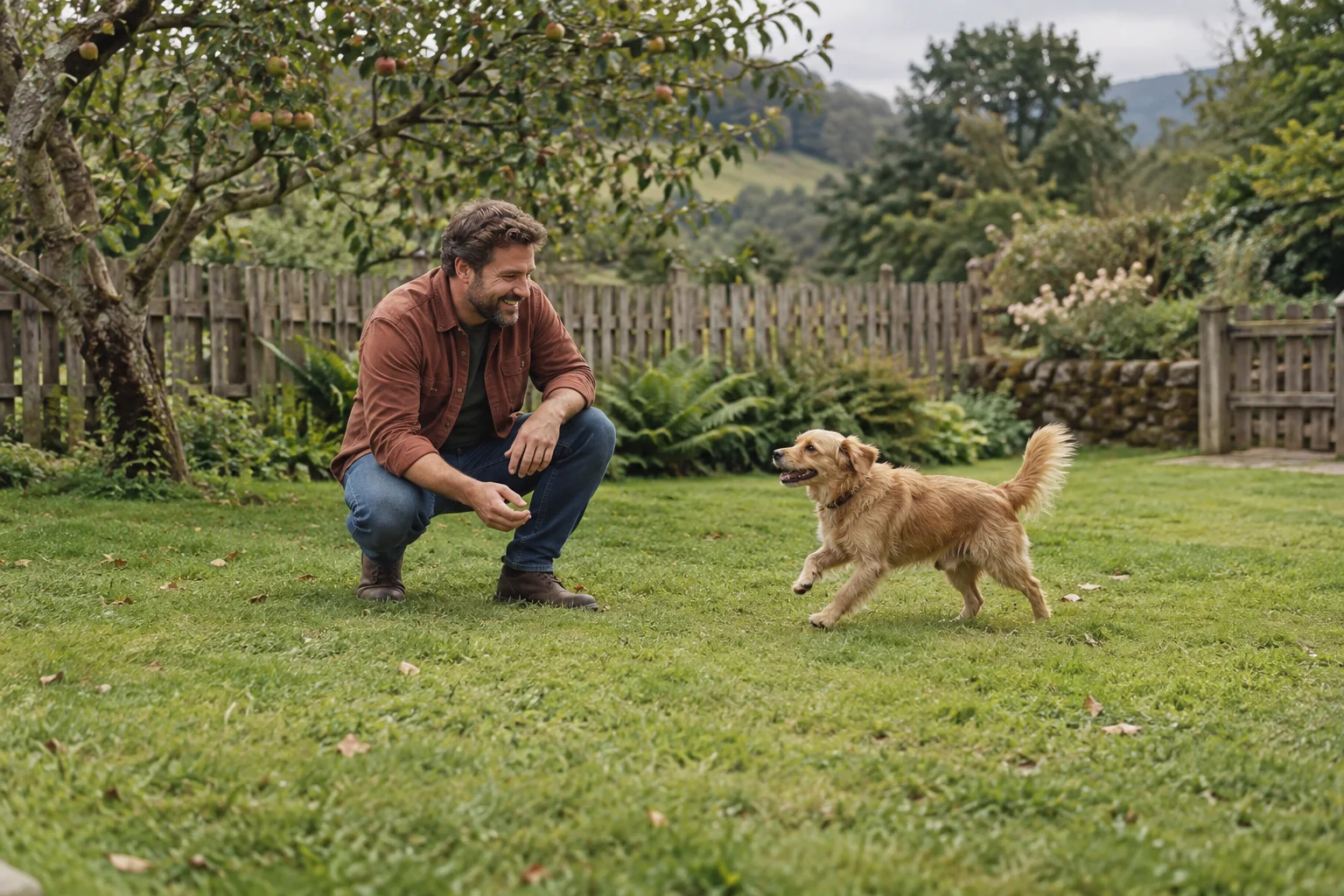
Moving from your kitchen to the garden is already a change. Keep the distance short and reward generously again. When introducing a manageable distraction, reduce distance rather than keeping every other part of the task at its hardest.
Ask yourself what your dog can notice and still disengage from. If they are fixated on a nearby animal, create space and manage the situation rather than repeatedly calling. Practise the easier version later. The same environment-first thinking helps with loose-leash walking.
Review the setup after a missed response
Repeatedly saying the cue does not tell you which part was difficult. Note the distance, distraction, location and reward. Then make a specific adjustment: closer together, quieter setting or a better-timed invitation. End with an easy success if your dog remains comfortable.
Use a DogPath training plan or a notebook to keep the next step clear. Reliable performance takes practice across situations, and no recall cue guarantees safety. Follow local lead rules and protect wildlife, livestock and other people’s space throughout.
Does your dog respond indoors but struggle outdoors? Our outdoor recall troubleshooting guide helps you compare the two settings and choose an easier, safely managed next attempt.
Teach the whole return, including the last few steps
Separate three things people often call “recall”: your dog notices you, travels towards you and arrives close enough for the next ordinary action. In this guide, the recall is the journey all the way to you. A head turn is useful information, but it is not the same endpoint.
Choose an arrival you can reward comfortably
Stand where your dog has a clear route. Decide where you will deliver the reward before calling. Keep it close to your body at a comfortable height for your dog. Avoid holding it so high that they need to jump, or reaching towards a dog who has stopped well short of you.
You do not need to add a sit before giving the recall reward. If your dog comes all the way and you withhold the reward while waiting for a second, unfamiliar behaviour, you have changed the exercise at the finish.
Worked example · The last step is missing
What happens: the dog approaches but stops where the handler usually stretches out a treat.
Next session: begin much closer. Keep the reward position near the handler so a short, comfortable approach reaches it. Reward the completed arrival.
Keep separate: attaching a leash or touching a harness. Practise comfortable handling on its own if reaching towards the dog causes avoidance.
For a household, agree on the same cue and endpoint. “Here means come close enough to receive the reward beside me” is clearer than everyone using the same word while rewarding a different stopping place. The practical end-of-outing chapter below explains how to keep that arrival comfortable.
Rehearse a complete short recall session
Imagine a quiet room with a clear route between you and your dog. Other pets are elsewhere, the reward is accessible and your dog is already nearby. Before giving a cue, decide how the repetition will end so you do not improvise by reaching suddenly for the collar.
- Allow a moment to notice the room and make sure the dog is comfortable.
- When a response is likely, use the chosen cue once and invite the short approach.
- Deliver the reward when the dog reaches you, at a height and position they can access comfortably.
- Pause, then release to an ordinary safe activity. Choose whether another repetition would be useful.
If the dog turns towards you but does not travel all the way, shorten the starting distance in the next suitable attempt. If the dog is absorbed in something else, avoid making repeated calling the entire session. Return to an easier context.
A two-person version needs coordination. Only one person cues at a time, and the other remains neutral. Keep the distance short and avoid turning the activity into frantic shuttling. With more than one dog, practise separately first so rewards and movement do not become a competition.
Teach the practical end of the outing separately
Returning, standing nearby and having equipment attached are related but distinct events. If every approach immediately leads to an abrupt grab or an unwanted transition, the final part of the routine deserves attention. Plan comfortable handling separately rather than assuming a recall lesson also teaches every care task.
For example, while your dog is relaxed and willing to participate, let them notice the leash before attaching it in the familiar way. If ordinary harness or collar handling causes avoidance or concern, seek suitable reward-based help with that task. Do not lure the dog close so you can force the next action.
Use ordinary practice returns
Some easy recalls can lead to a reward and then a return to safe exploration. Other arrivals will be followed by going indoors or ending an outing. Be clear and calm about both. You do not need to promise that every return keeps the walk going, but it should remain worthwhile and safe to approach you.
The Dogs Trust recall guide explains consistent cues and rewarding returns. The handling plan here is an editorial way to examine what happens immediately after your own recall, without treating several unfinished skills as one test.
Troubleshoot different kinds of incomplete return
- Turns but stays where they are
- Review the distance and competing activity. Begin closer in a quieter setup and make the arrival easy.
- Approaches but stops just out of reach
- Review reward placement and what usually happens at arrival. Avoid reaching forward to turn a near-return into forced handling.
- Comes indoors but struggles in the garden
- Treat the garden as a new setting. Keep the distance short instead of combining a new place with a long recall.
- Returns with one person but not another
- Compare cue delivery, body position, rewards and the events after arrival. Agree on the same small exercise.
- Suddenly responds less to familiar sounds
- Discuss a new change with your veterinarian rather than assuming a motivation problem.
Use a short record to separate the possibilities. Write “turned at the cue, then returned to sniffing, three steps away beside the hedge” rather than “ignored me.” The specific record tells you which setup to simplify next time.
Do not test a suspected weak point near a road or other hazard. Your management plan needs to keep everyone safe even when the cue does not work. A recall record describes learning; it does not grant permission to remove the leash in an unsuitable place.
Common questions
What if my dog ignores the recall cue?
Do not keep calling from the same position. Keep the situation safely managed and note whether your dog failed to turn, turned without approaching, or approached partway. At the next suitable opportunity, start closer with a clear route and the reward ready. Reward a late arrival too.
When can I practice recall off leash?
Begin in a safely enclosed space. A few good responses do not establish safety around roads, wildlife or other dogs. For other outdoor settings, use appropriate management and follow local rules while practicing.
Should I call my dog only when the walk is over?
Include easy practice recalls that lead to a reward and a return to a safe activity. That gives arriving near you a useful role beyond always ending the fun.
Should I change the recall word if the old one is unreliable?
A new word still needs careful teaching. First review the setting, reward history and what happens when your dog arrives. If you decide on a new cue with suitable guidance, introduce it in an easy context rather than using it as an emergency test in the same difficult situation.
Can two people practise recall together?
Yes, when the dog is comfortable and the space is suitable. Start nearby, agree who is cueing and keep the other person neutral. Reward each arrival and allow pauses. Stop if the activity becomes frantic or confusing.
Does a whistle work better than a word?
A whistle can be a consistent sound, but it has no automatic meaning to an untrained dog. It still needs a clear learning history and sensible practice. Choose a signal you can use comfortably, at an appropriate volume, and avoid changing cues unpredictably.
Should I reward a slow return?
Make arriving near you a worthwhile event, even if the return took longer than you hoped. Review the difficulty afterwards and simplify the next attempt. Scolding at arrival risks making the very end of the recall unpleasant.
General training education for comfortable, everyday practice. Pain, sudden behaviour changes, panic, aggression or bite concerns need veterinary or qualified in-person behaviour support.