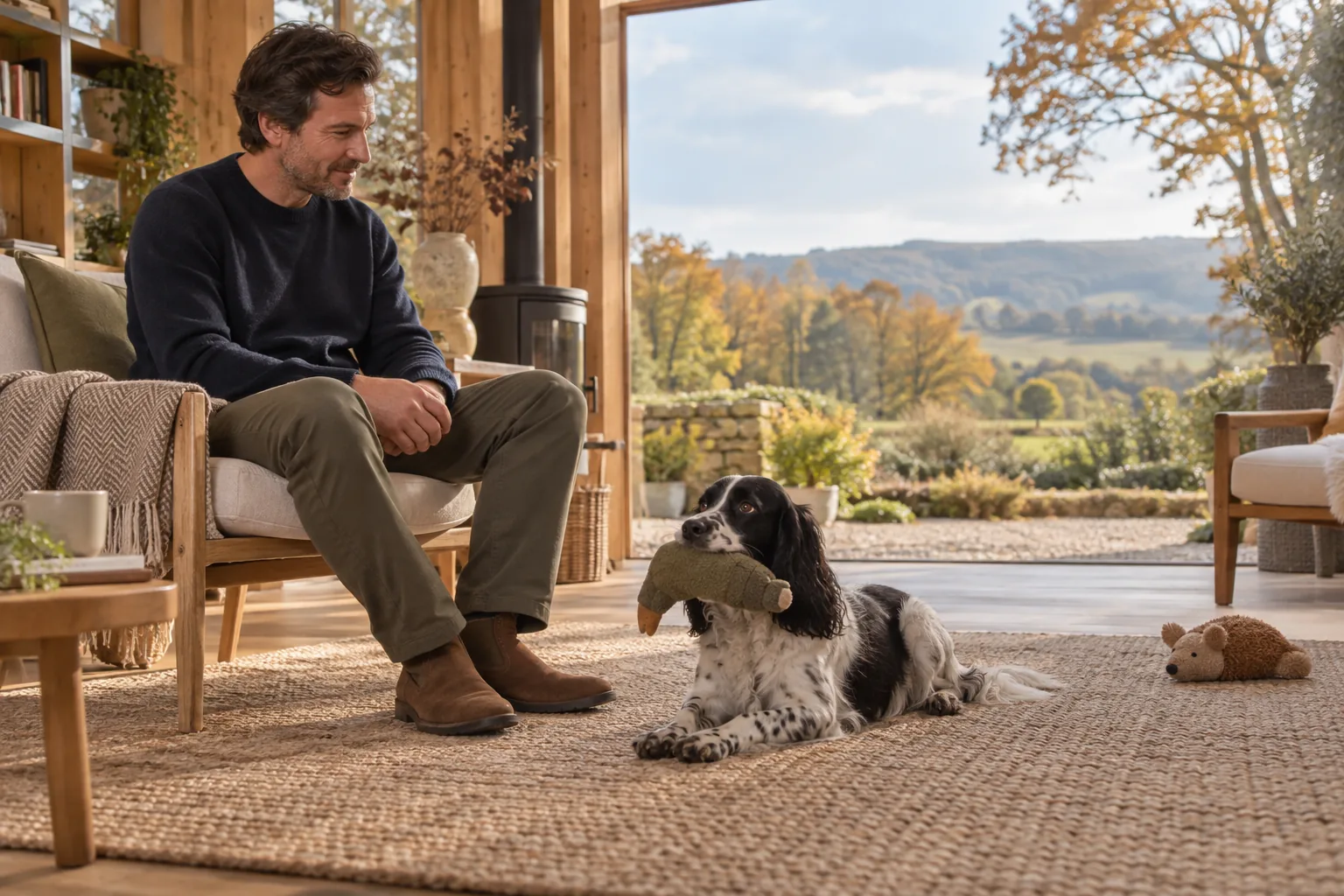
Dog won't drop toy is a familiar search after a game stalls: your dog enjoys carrying the toy, while you need a comfortable way to pause or restart. Begin with the dog's response to your presence and the room you have prepared. A release cue becomes useful through safe, rewarded practice; repeating a word while reaching into the mouth can make the next exchange harder.
This guide is for an adult practising ordinary play with a relaxed dog and a safe toy. Stiffness, growling, snapping, a history of biting or concern about guarding calls for personal professional help. Pain or sudden behaviour changes need veterinary advice. DogPath can support lesson preparation and planning, but cannot judge those risks. Dog Train Club and DogPath share a publisher. The optional app steps below use existing foundation lessons and honest completion records, alongside a practical household exercise.
Dog won't drop toy: check whether this is a safe practice moment
Describe what you actually see before deciding what to practise. Does your dog carry the toy with a loose body and move freely around the room? Or do they freeze over it, become tense as you approach or try to keep people away? Do not approach again to test a suspicion. A dog simply carrying a toy has not given you permission to take it from their mouth.
Dogs Trust explains warning signs of resource guarding and when to seek help. If any warning sign or bite risk applies, stop this home exercise. Create space, keep people and other animals away, and arrange a vet assessment and qualified reward-based behavioural support. Do not punish a growl.
For a suitable ordinary game, note when release becomes difficult: immediately after an exciting chase, only with a favourite toy, or when an adult signals the end. Those observations help you simplify the next occasion without staging a confrontation. Have one adult oversee practice, with children and other pets outside the activity. A crowded room adds demands you do not need today.
Prepare a toy you can afford to leave alone
Choose an intact toy of suitable size that your dog enjoys without becoming intensely possessive. Avoid damaged fabric, loose parts, strings or anything likely to be swallowed. Check it before play. Food bowls, chews, stolen belongings and dangerous objects are outside this exercise; do not use them to see whether your new cue works.
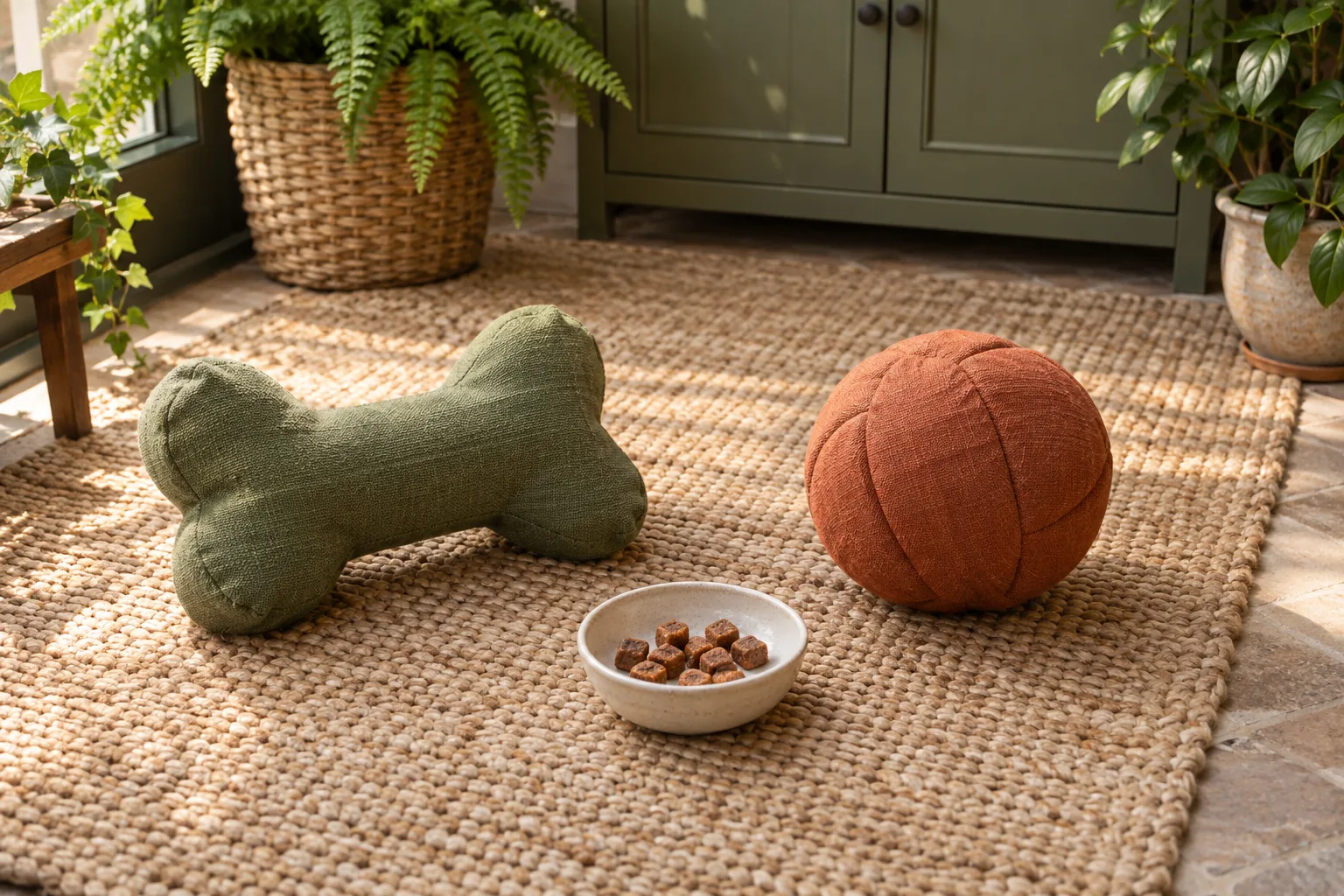
Clear a nonslip area with room for the dog to move away. Keep a few suitable food rewards ready, accounting for your dog's diet, and store the rest beyond reach. Preparing them first avoids rummaging or leaning over the dog while they hold the toy. Do not withhold ordinary meals to make the exchange attractive.
Plan what happens after release. The safe toy can usually be offered back, so handing it over does not always end enjoyment. Decide in advance where spare toys will go and how the adult will finish without chasing the dog around furniture.
A helpful preparation check is entirely about your actions: floor cleared, rewards ready, toy checked, other pets elsewhere, enough time to stop. If one item is missing, prepare another occasion. There is no need to turn the current game into a training session.
Read a foundation lesson before play starts
Open the relevant DogPath foundation lesson while your dog is resting. The documented training-plan workflow is to read the lesson, prepare, practise, and mark genuinely completed work. An attention lesson provides a manageable starting point: first rehearse a few comfortable check-ins without a toy, in a quiet setting where the dog can choose to participate.
Prepare your reward delivery and ending before you start. Our reward-marker guide explains how a familiar marker identifies the behaviour you are rewarding. If the marker is new, establish it separately rather than adding a new sound, an exciting toy and a release word together.
Record only the foundation lesson you actually completed. A successful check-in without a toy does not establish that toy release is learned. Place an easy future practice opportunity in the weekly plan, and keep any toy observations separately. This workflow does not assume a dedicated drop-it module, custom guarding assessment or toy incident tracker.
The app is useful here for preparation and remembering an appropriate next step. Put the phone aside during the exchange so you can watch the dog, your hands and the available space. A completed lesson is not a safety clearance.
Offer an exchange without reaching for the mouth
Start with a brief, comfortable game and pause your own movement. Keep your posture unthreatening and your hands away from the dog's mouth. Offer a suitable food reward without prising at the toy. If the dog voluntarily lets go to take the reward, allow enough space for them to move away from the released object.
Once the dog is comfortably occupied elsewhere and retrieval is safe, pick up the toy calmly and offer it back. Do not rush a hand between the dog and the toy, grab their collar or hold them in place. If approaching the object causes tension, leave it alone and seek individual help.
Dogs Trust's release training advice uses a rewarding exchange. The practical aim is an understandable pattern: releasing can lead to something worthwhile and another chance to play. It should not predict an argument every time.
If the dog keeps the toy, do not push the reward against their nose or repeat a command. End your attempt without confrontation. Next time use a less exciting toy, a quieter moment or personal guidance if you are uncertain about their response.

Attach one cue to a release the dog already chooses
Wait until your easy exchange is becoming familiar before adding a verbal cue. Choose one short word, such as “drop”, that every adult will use consistently. Say it once just before the release you expect in that familiar setup. Reward the voluntary release and preserve the comfortable opportunity to play again.
Do not chant the cue while the dog continues holding on. That gives you repeated sound without the behaviour you intended to name. If release is not happening, return to an easier exchange on a later occasion and review what changed: the toy, energy level, person or room.
Separate what you asked from what you observed. “I said drop once, then she released the soft toy when the reward appeared” is more useful than “She knows drop now.” It identifies the help that was still present. There is no hurry to remove that help to prove independence.
Keep each opportunity brief. A few comfortable exchanges can be enough; repeated taking and returning for a long period may become frustrating. Our short training sessions guide helps you choose a modest ending instead of extending practice to fill a target.

Change one ordinary detail and preserve the return to play
On another day, repeat the familiar arrangement before changing anything. If it remains comfortable, vary one ordinary detail, such as sitting in a different part of the same quiet room. Keep the toy, reward and adult familiar. A different toy, new person and lively game together make it hard to tell why release became difficult.
Consider an everyday example. Maya's dog carries a soft toy after breakfast. She prepares rewards first, pauses after a short game and practises one easy exchange. In the evening, when the house is busy, she allows carrying and postpones the exercise. She does not chase to insist that morning's practice should apply everywhere.
When you need to end play, give a clear calm ending and offer an appropriate quiet activity. Our mat practice guide can support a separately taught resting option. Do not immediately combine a new release cue with a long, difficult stay.
Inspect toys after play and store unsuitable items securely. Management protects the next occasion regardless of training progress. A comfortable swap with one fabric toy says little about a bone, a stolen sock or an unfamiliar outdoor object.
Review the exercise separately from the app record
Afterwards, use the DogPath completion record for the lesson you genuinely practised. Keep three toy observations in a separate notebook: the setup, the help offered and the dog's response. The app workflow here does not claim a field for custom toy-release notes, automatic video analysis or behavioural scoring.
A clear entry could read: “Quiet room, familiar soft toy, reward prepared; one release after food was offered; toy returned; loose body throughout.” An equally useful entry is: “Game too lively; dog carried toy away; no further attempt; next occasion quieter.” Neither needs a success percentage or an invented streak.
Choose the next weekly opportunity around an adult's availability and the dog's comfort. Repeat foundation work when helpful, and simplify toy practice if it became harder. Missing a planned exercise creates no obligation to do twice as much tomorrow.
Compare similar occasions before drawing conclusions. A longer pause might reflect fatigue or a changed toy, rather than improved understanding. The record helps you remember what happened; it cannot tell you that guarding is absent or that an emergency object can safely be removed.

When the situation changes, change the plan
If tension, growling or avoidance appears during any stage, stop reaching and give the dog space. Keep children and pets away. Arrange personal reward-based professional help, with veterinary assessment where appropriate. Do not repeat the setup to film a warning or punish the dog for communicating discomfort.
If your dog may have swallowed something harmful, or is holding a hazardous object, contact a vet or emergency veterinary service promptly. Explain what the item is, when it was taken and any symptoms. Do not wait for an app lesson or attempt a forced mouth opening. Follow individual veterinary direction.
A new reluctance to hold, chew or release can also warrant a vet conversation, particularly with suspected pain or sudden changes. This article cannot diagnose a dental problem or distinguish causes from a description. Comfortable play yesterday does not settle today's medical question.
Finish your review with a concrete next action: prepare an easier safe toy occasion, secure vulnerable belongings, or book professional help. The useful outcome is a clearer and safer routine, with voluntary cooperation supported where appropriate. No lesson or timetable promises that every dog will release every object.
Common questions
Should I pull the toy out to show what “drop” means?
No. Pulling, forcing the mouth open or grabbing the collar can create confrontation and does not teach the voluntary exchange described here. Use a suitable safe toy and a rewarding opportunity to let go. If there is tension or bite risk, stop home practice and seek individual help.
What if food does not make my dog release?
Do not crowd the dog or keep offering increasingly intense prompts. Leave the attempt calmly if it is safe to do so, then choose a quieter moment and a less exciting toy next time. If you are unsure whether the response involves guarding, consult a qualified reward-based professional.
Can I mark the attention lesson complete after one toy swap?
A toy swap is not evidence that you completed a different lesson. Mark the foundation lesson only when you actually followed and practised it. Keep the toy exercise observations separately, and use the weekly plan to remember a manageable future practice opportunity.
How quickly should the release cue become reliable?
There is no fixed timetable or guarantee. Review the specific setup and comfort you observed, and change one detail at a time. Keep hazardous objects inaccessible and seek veterinary advice for pain, sudden changes or harmful ingestion rather than testing training in a risky situation.