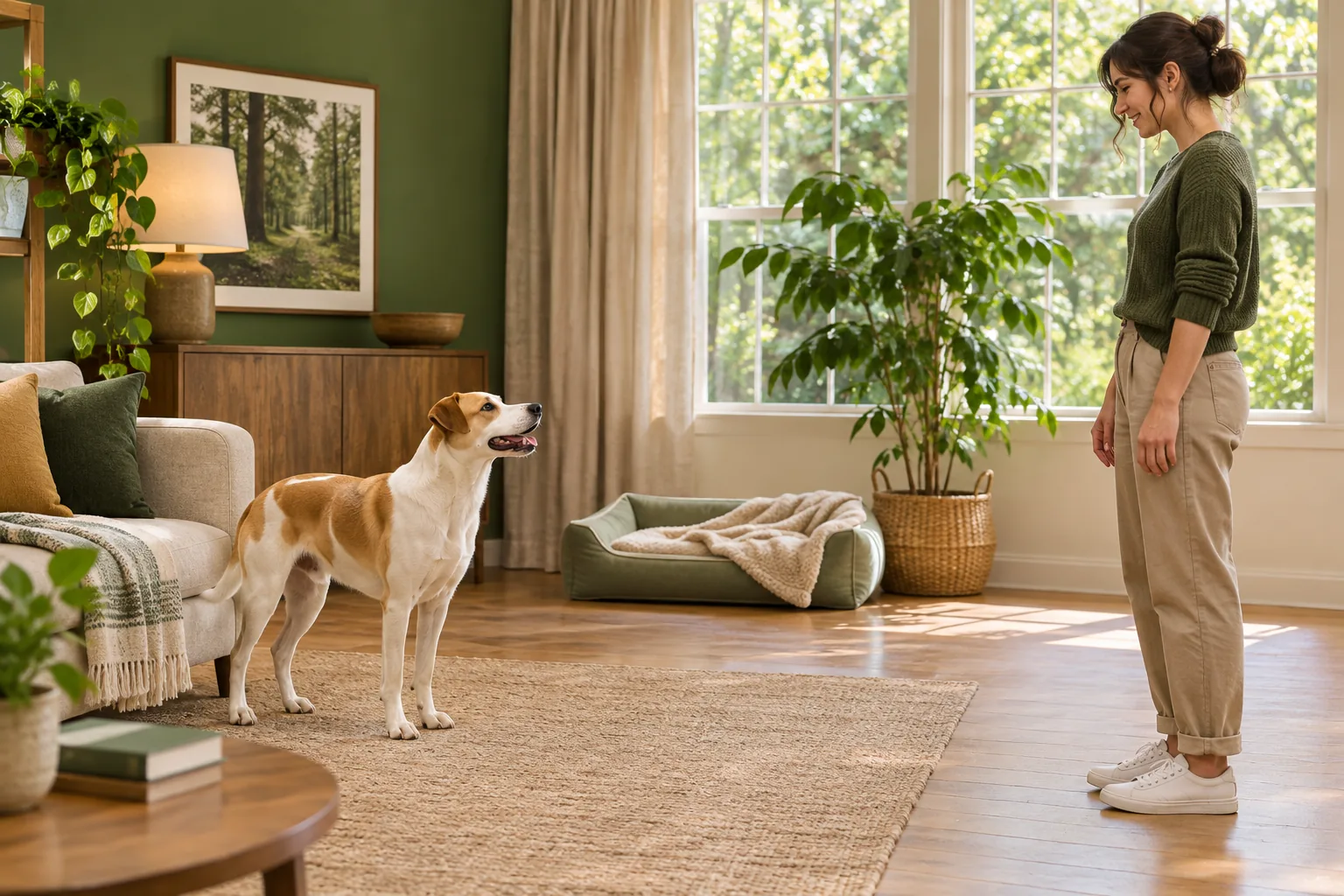
If your dog won't get off the sofa, first check whether moving is comfortable and whether the route is clear. Give them space rather than reaching for their collar. A comfortable bed on the floor and a familiar way to move toward it can make everyday changes easier. Practise that movement on level ground at a quiet time, using DogPath to prepare a suitable foundation. If the dog stiffens, growls or seems painful, arrange individual help before working near the sofa.
Dog won't get off the sofa? Check the movement
Think about what you see when the dog normally gets up. Do they rise smoothly, hesitate at the edge or land awkwardly? A dog who has become reluctant to leave furniture may be uncomfortable, unsure about the landing or reluctant to give up a resting place. These possibilities need different responses. Describe the movement you have observed without creating another attempt just to test it.
Contact your veterinarian about a sudden change, stiffness, limping, difficulty rising or other possible pain. Ask about an appropriate way to manage access to furniture while you get advice. A reward cannot make an unsuitable jump safe. If your dog needs help moving, get guidance on the actual setup and handling rather than pulling, lifting or improvising steps.
Check the people nearby as well. A dog who freezes, watches an approaching hand, growls, snaps or blocks access to the sofa needs space. Keep children and other animals away and seek in-person help from a qualified reward-based professional. You can choose another place to sit and prevent close encounters while you arrange support. The immediate aim is a safe, comfortable situation for everyone.
Give the dog a worthwhile floor space
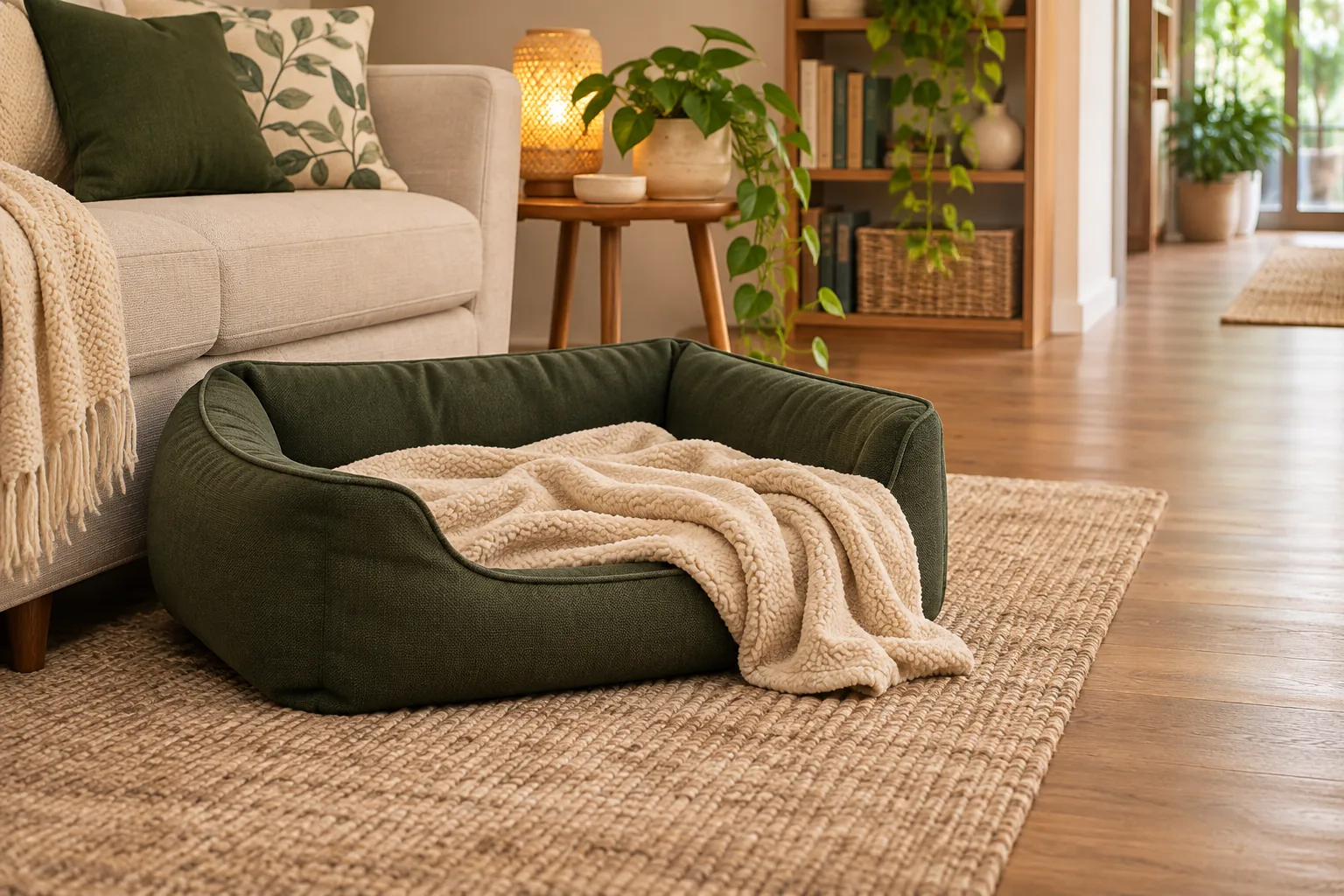
Choose a bed that allows the dog to stretch, change position and get up easily. Put it on a stable surface with a clear route around it. If the floor is slippery, use a suitable nonslip covering that stays flat. A bed tucked behind bags or between furniture may be difficult to reach. Notice where your dog already chooses to rest on the floor and consider starting there.
Think about the reason the sofa is attractive. It may be comfortable, warm or close to you. A floor bed can offer some of those features without being in a busy walkway. If the dog usually rests near a particular person, place the bed where they can still have ordinary company. Keep water accessible without making the dog cross the narrow space between your chair and the sofa.
Let the dog investigate the bed voluntarily. Offer quiet recognition or a small suitable reward for an easy approach, then allow them to leave. Avoid repeatedly directing them to it when they are trying to rest somewhere else. You can make the alternative familiar over ordinary days before expecting it to help during a busy evening or when guests need a seat.
Teach the destination on level ground
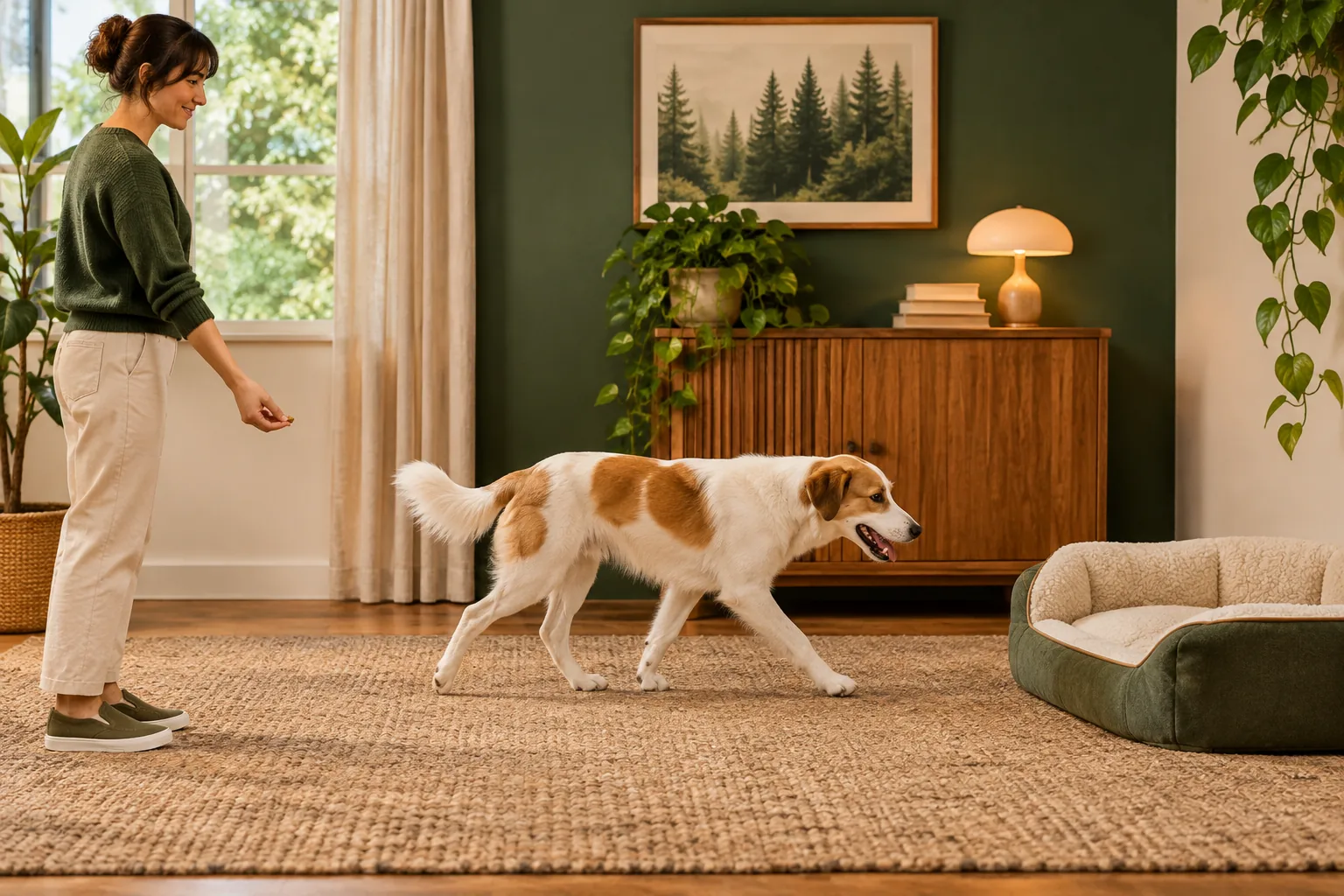
Begin away from the sofa, when the dog is already standing comfortably on the floor. Choose a short clear route to the bed. Take a small step toward it and reward your dog for coming with you. Deliver the reward near the bed at a comfortable height or on its surface if that suits the dog. Leave room for them to turn and move away.
Repeat only a few easy approaches. A familiar marker can identify the movement you want to reward. Our reward marker guide explains the timing. If your dog already knows a bed cue, use the easy part of that routine. The settle-on-a-mat guide gives foundations you can practise without involving furniture.
Choose a short word for moving to the bed and say it once just before the dog starts a familiar approach. Use a word that is distinct from a cue meaning lie down. If the dog stays still, shorten the route or return to an easier setup. Repeating the cue more loudly will not explain the destination. Make the floor journey clear before adding the sofa context.
Keep furniture practice within the dog's comfort
Only consider a sofa-related rehearsal when movement is physically suitable, the landing is safe and the dog is relaxed around you. You do not need to put the dog on furniture to start a session. You can practise the familiar route when they happen to be standing nearby, or reward a voluntary arrival on the floor that you observe in ordinary life.
If your dog is already awake and comfortable on a suitable low sofa, stand back with the route open. Use the familiar invitation to move once, then allow time. Reward after the dog reaches the floor safely and continues toward the known resting place. Keep your hands away from the collar and leave space at the edge. Stop if they hesitate, stiffen or appear uncomfortable.
Avoid creating a repeated “up, off, reward” game. Most practice can happen with the dog already on the floor, and most rewards can recognise using the alternative bed. If the dog immediately returns to the sofa, review whether the bed is comfortable and whether you are asking for too much. End the session rather than repeatedly setting up another descent.
Prepare one foundation in DogPath
Choose a known lesson that supports the level-ground movement, such as coming toward you or reward timing. Read the steps and prerequisites before you begin. Check that the selected response is comfortable for your dog. The lesson provides an organised foundation. Your observations of the route and your dog's body determine whether the setting is appropriate.
Reserve a short slot in the weekly plan when you can focus. Write a small goal on paper, such as “three easy approaches from the rug to the bed”. Prepare a few suitable rewards and decide when you will stop. After practice, record the lesson work you actually completed in the app. Keep the furniture observations and route notes separately.
A note might say “bed approach easy, hesitated near slippery edge of rug”. Next time, secure the surface and practise the easier route again. DogPath does not assess pain, diagnose guarding or approve a furniture setup. Dog Train Club and DogPath share a publisher. If you need help interpreting what happened, take your notes to a veterinarian or qualified professional who can advise on the individual dog.
Organise sofa access before the busy moment
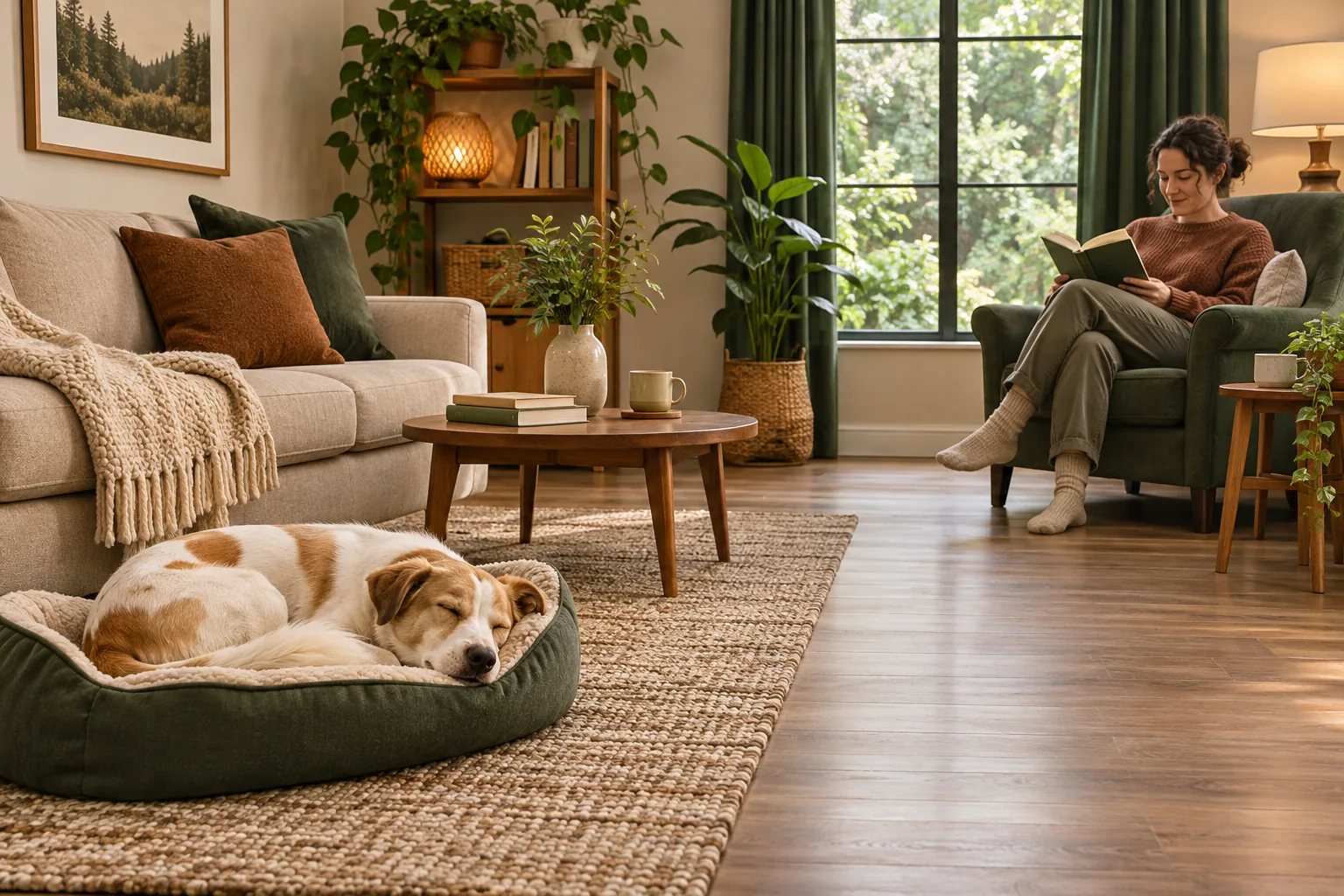
Agree on a practical household routine. Decide when furniture access is available and where the dog can rest when it is not. If you need the sofa for guests, make the alternative space ready before they arrive. Close access to the room when the dog is elsewhere if that suits your layout. Keep the dog in a comfortable familiar area with normal needs met.
Ask adults to use the same short invitation and give the dog room. Children should not be responsible for moving a dog from furniture. Avoid sitting down on top of the dog, crowding the edge or waking them by touching. If the dog is asleep, allow a safe way to wake and orient at a distance, or wait until they get up naturally when possible.
When you cannot get a comfortable voluntary move, choose another seat and change the arrangement later. You can prevent a repeat by preparing the resting space before the next busy period. If the dog is guarding the sofa, seek individual support. The Seattle Humane resource on guarding describes why places can matter to dogs and why conflict should be avoided.
Review what makes the new place useful
After a few ordinary days, compare similar opportunities. Note whether the dog was awake, the surface, the person present and the distance to the bed. “Walked to bed from beside sofa while awake” is a clearer observation than “obeyed”. Keep the comfortable version and change one practical feature at a time. You might move the bed closer, improve the surface or shorten the route.
If your dog often gets back up, notice what happens after they arrive on the floor. Do people leave the room? Is the bed beside a noisy appliance? Is another animal occupying the space? Improving those conditions can make the alternative more useful. Rest should remain available throughout the day, with opportunities for ordinary companionship rather than a long series of requests.
Ask for veterinary advice if moving becomes harder or the pattern changes suddenly. Seek in-person help for growling, snapping, guarding or a bite risk. Keep people at a safe distance while you arrange it. A small, voluntary movement on a comfortable route is a sensible practice goal. The household plan can still use physical separation and a different seating choice whenever that is needed for safety.
Common questions
Should I lift my small dog down?
Ask your veterinarian about suitable handling if help is needed. Reaching for a reluctant dog can be uncomfortable or provoke a defensive response, so create space and get individual guidance.
Does the floor bed need to be far away?
Choose a comfortable location with clear access and suitable company. A nearby quiet place may suit your dog better than an isolated corner.
What if my dog has never learned a bed cue?
Begin with a few voluntary approaches on level ground and reward at the destination. Keep sessions short and build the familiar route before involving furniture.